
If you’re remodeling a kitchen in Spokane, granite and quartz are almost certainly on your shortlist — and for good reason. Both are durable, beautiful, and available in dozens of colors and patterns. The short answer: quartz is generally the lower-maintenance choice day to day, since it never needs sealing and resists stains more consistently, while granite offers a one-of-a-kind natural look and holds up exceptionally well to heat. The right pick usually comes down to how your kitchen gets used, not just which one looks better in a showroom. Here’s how to decide.
Durability & Maintenance: How Do They Really Compare?
Granite is a natural stone, cut directly from quarried slabs, which means every countertop is genuinely one-of-a-kind. It’s extremely heat-resistant — you can set a hot pan down without worry — and holds up well to everyday wear. The tradeoff is maintenance: granite is porous, so it needs to be sealed periodically (typically once a year) to resist staining from things like wine, oil, or coffee. Skip that maintenance and a porous spot can pick up a stain over time.
Quartz is engineered stone — crushed quartz mixed with resin — which makes it non-porous right out of the box. That means no sealing, ever, and much more consistent resistance to staining and bacteria, which is a big reason it’s become the default recommendation for busy family kitchens. The one thing to watch with quartz is heat: unlike granite, the resin in quartz can discolor or crack under direct contact with very hot cookware, so a trivet is worth keeping handy.
Cost Comparison: What Should You Budget?
Granite and quartz are typically priced in a similar overall range, though the exact number depends on the specific slab, the edge profile you choose, and how complex the installation is — a straightforward run of counter is a very different job than one with a waterfall edge or an oversized island. Rarer granite slabs (bold veining, unusual color) tend to sit at the higher end, while quartz pricing is generally more predictable since it’s manufactured rather than quarried.
Because pricing varies so much by slab and layout, the most accurate way to budget is a free in-home estimate — we’ll measure your space, walk through material options in person, and give you a real number rather than a rough range.
Style & Color Range
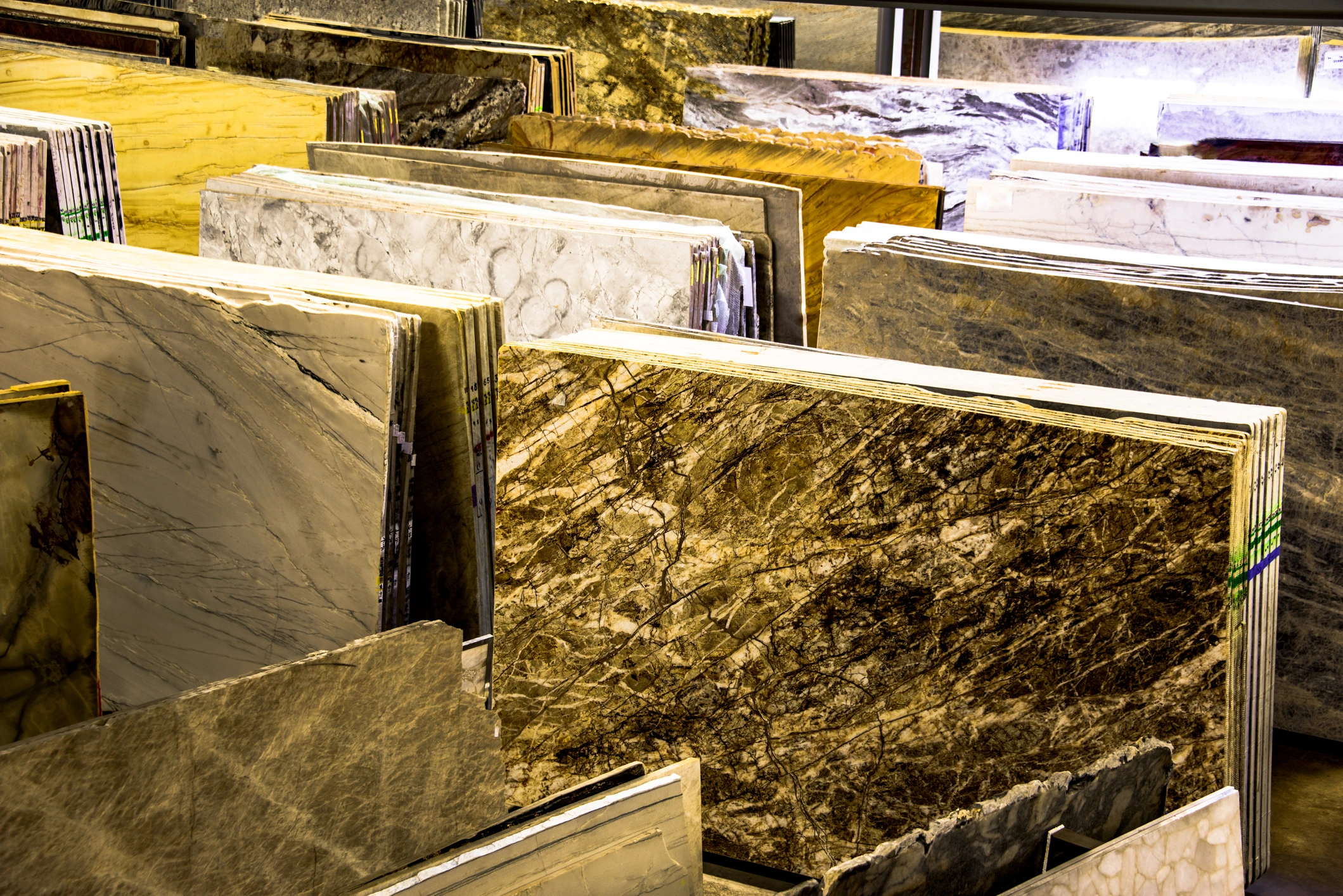
Granite’s biggest selling point is that no two slabs are identical — natural veining and mineral deposits give every countertop genuine character, which is part of why many homeowners choose it for a kitchen meant to be a showpiece. Quartz, by contrast, is manufactured for consistency: if you fall in love with a sample, your installed countertop will match it closely, and quartz now comes in a wide range of colors and patterns, including options designed to mimic the look of marble.
Caruso’s Floors carries more than 100 flooring and surface brands, including Cosentino — known for its Silestone and Dekton quartz lines — alongside a range of natural stone options, so there’s room to compare both directly in our Spokane showroom.
Which One Fits Your Kitchen?
If your kitchen sees heavy daily use — kids, regular cooking, a lot of counter traffic — quartz’s low-maintenance durability usually makes it the easier long-term choice. If you’re after a one-of-a-kind natural look and don’t mind an annual sealing step, granite is hard to beat, especially in a kitchen designed to showcase the material itself. Both are excellent, long-lasting choices; the “right” one is really about how you live in the space, not which material is objectively better.
Caruso’s Floors has helped Spokane homeowners choose flooring and countertops since 1933, and every installation is backed by our 5-year installation warranty. If you’re ready to see granite and quartz side by side, stop by our showroom or schedule a free in-home estimate — we’ll help you compare options for your exact kitchen, not just a sample board.
Frequently Asked Questions
Is quartz or granite more durable for a busy kitchen?
Both hold up well, but quartz is generally the more forgiving day-to-day choice for a busy kitchen. Because it’s non-porous, it resists stains and bacteria without any sealing, while granite performs beautifully but needs a yearly reseal to maintain that same stain resistance.
How much do granite countertops cost installed in Spokane?
Cost depends on the specific slab, edge profile, and installation complexity, so ranges vary widely. The most reliable way to get an accurate number for your kitchen is a free in-home estimate from our team.
Does quartz need to be sealed like granite does?
No. Quartz is an engineered, non-porous material and never needs sealing — one of the main reasons homeowners choose it over granite for low-maintenance kitchens. Granite, being a natural porous stone, should be resealed roughly once a year.